Thursday, December 12, 2013

Sexism & Surgery

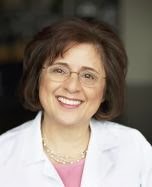
by Amalia Cochran, MD, MA, FACS, FCCM

How many of you saw this great piece from Emily Graslie a couple of weeks ago? 


I loved this video for a couple of reasons. One is obvious if you are familiar with her work- Emily’s video series from The Brain Scoop is a terrific, user-friendly approach to science. The other was that I honestly empathized with the comments that Emily included in her video, as I suspect many of us do, and I loved her approach to dealing with sexism and science. She’s no-nonsense about it and addresses the issue head on.

I thought back to my first encounter with sexism in medicine, going back to high school. Our family’s physician, upon being told that I was leaving for college at the end of my junior year under an early admission program with intent of going to medical school, simply commented, “Well, I guess it’s okay for women to be physicians these days.” No, he wasn’t joking. No, he never treated me again (nor my mother). I’ll admit- this was almost 30 years ago, and with the entry of more women into medical school many things have changed. Or have they?

Plenty of research shows that female medical students often experience gender discrimination, and that this occurs most commonly on their surgical clerkships. Women medical students are more likely to experience gender discrimination during their surgical clerkship than are their male counterparts and are more likely to perceive sex discrimination, typically from male attendings and male residents. My own recent work has shown that female surgeons and residents are more concerned about the presence of sex discrimination in the workplace than are their male colleagues, and that they perceive this discrimination as a barrier to advancement in academic surgery. Clearly this problem isn’t just one of the 1980s; it persists in modern-day medicine.

Stories of incidents can be gathered easily enough from many sources; in one night on Twitter I was able to acquire stories ranging from colleagues or patients refusing to address a woman physician as “Doctor” to women being told they are “too nice” to be a surgeon, or being told that they are allowed to do more in the OR because of their looks. While the overt sexism remains, many institutions are starting to consider the role of “implicit bias,” those subtle behaviors and actions that manage to undermine the leadership and credibility of any minority group. Yes, women surgeons are still a minority group.

So back to where we started, with Emily Graslie’s video. We have a problem still, and what we need is a solution. We can start by speaking up when we hear sexist comments- particularly those of us who are a little more senior and have less to lose than our younger colleagues. We can also work within our institutions to increase awareness of implicit bias in hopes that this will have a durable impact. And, as Emily Graslie stated, “We need to make sure we’re making it possible for people of all genders to feel acknowledged for their contributions and not feel held back by something as arbitrary as their genetics or appearance.”

How have you experienced sexism? And, perhaps more importantly, how have you dealt with it when you have either experienced it or witnessed it?


This post was originally published on Dr. Cochran's blog, Life in the Wild West.
 
~~~

Dr. Amalia Cochran is Associate Professor of Surgery at the University of Utah. She is heavily involved in undergraduate medical education, serving as the Surgery Clerkship Director and the Director for the Applied Anatomy track for 4th year medical students at the University of Utah. Her research interests lie in surgical education and in clinical outcomes in burns. She is Vice President of the Association of Women Surgeons. Follow her on Twitter. Visit her blog

Monday, December 2, 2013

Interview with Dr. Julie A. Freischlag


by Bharti Jasra, MD

A while back, there once was a little girl in Illinois who impressed everyone with her extraordinary performance at school. Her grandfather told her that when she grew up, people would tell her what she could or couldn't do. "There is nothing that I can't do," her grandfather said. "Is all you need to tell them all."

That little girl grew up to be the great vascular surgeon whom we know as Dr. Julie A. Freischlag. She is an internationally renowned expert in thoracic outlet syndrome. She became the first woman director of the Department of Surgery at Johns Hopkins in its 110 year history. She served as President of the Society of Vascular Surgery from 2012 to 2013. In 2012 she was elected Chair of the Board of Regents of the American College of Surgeons. In addition, she has held leadership positions in many leading surgical societies and serves on the editorial board of several surgical journals. In February 2014 she will join the University of California, Davis as Vice Chancellor for Human Health Sciences and Dean of the UC Davis School of Medicine.

I had the opportunity to interview this great leader and ask a few questions that I thought might benefit our Association of Women Surgeons members.

Q: What role did AWS play in your career?
A: I was one of the first few resident members of AWS. It was really nice at that time to know that there were other women in the surgical community that I could look up to for guidance. Also in early years of my career it helped me as a forum for networking. It was at AWS meetings that I met Dr. Patricia Numann for the first time, and we became good friends in the next 20 years.

Q: Do administrative positions adversely affect clinical duties?
A: I spend 60% of my time in departmental work and whereas only 40% in teaching and clinical duties. As a department chair one has to work for the department and not just for yourself.

Q: Is it essential to have additional degrees like an MBA to hold a leadership position?
A: It is not required to have additional degree but there are several leadership courses offered by ACS and AAMC which could be useful. I myself benefited from the ELAM course and highly recommend it.

Q: Do you think that you had a different set of challenges being a woman?
A:
It's quite lonely up there at that level since there are not many of you. Women are underrepresented not just in medical community but in legal and business communities as well. It's easy to get noticed since there are not many of you at that level. At the same time it gives you a unique opportunity to represent interests of an underrepresented class and most effective use of this opportunity is essential.

Q: Do you wish you had more time to spend with your family?
A:
I am blessed with a caring husband and loving children. As surgeons we like to stay busy and I have no regrets as I have been able to find time for my family for the most part. I try to go to my son's sporting events and recitals. Also I try to limit my travel for work as much as possible.

Dr. Fresichlag with her son and husband during Parents Day at the University of Maryland

Q: What is the key to happiness?
A:
Staying in touch with yourself and your family is the key to happiness.

Q: What do you do to rejuvenate after work?
A:
I am a swimmer and use the pool in our backyard. Also I walk try to walk few miles a day.

Q: What is your opinion on infertility among women in surgery?
A:
I believe it has been a problem, but we are heading toward better times. My own residents now are having kids during residency, and it’s only going to get better in the future.

Dr. Freischlag with her family at the Ravens-Packers game   

Q: What challenges do you foresee in this new leadership role at UC Davis?
A: I am very excited to learn more about something other than surgery, especially healthcare delivery and medical education among the Hispanic population.

Q: Any message for AWS members?
A: We are very lucky to be surgeons, and we should enjoy every part of it at all levels, whether we are residents or in practice. 

~~~

Bharti Jasra, M.D. is a medical graduate from India finishing up her General Surgery Residency at Saint Louis University Hospital. She is interested in pursuing Breast Surgical Oncology training in the year 2014.


Saturday, November 30, 2013

Interview with Susan Pories, MD, FACS, Immediate Past President of the Association of Women Surgeons

by Jane Zhao

Dr. Susan Pories is Co-Director of the Hoffman Breast Center at Mount Auburn Hospital and Associate Professor of Surgery at Harvard Medical School and Beth Israel Deaconess Medical Center. She has been named one of America’s Top Surgeons and is an editor of The Soul of a Doctor: Harvard Medical Students Face Life and Death. She obtained her medical degree from the University of Vermont College of Medicine, where she stayed to continue her general surgery residency. She completed a surgical oncology fellowship at New England Deaconess Hospital. She served as the immediate past president of the Association of Women Surgeons.

Click here to learn more about Dr. Pories from the beginning of her AWS presidency.

In today’s post, Dr. Pories touches upon her involvement with AWS, her work as a breast surgeon, and the grand plans she has moving forward.


Q: You have quite the impressive curriculum vitae! Tell us a little about yourself that readers may not know about just from searching you up on Google.

A: I grew up as an “Air Force brat”. We moved a lot and I always envied people who didn’t have to move so often. I vowed that when I had my own family, I would make sure to stay in one place. However, in retrospect, I realize that the experience of moving taught me to be resilient and now I am grateful for this strength.

Q: Why breast surgery? 

A: I started out as a general surgeon but I was the only woman practicing in Cambridge at the time and women with breast problems naturally gravitated to me. After awhile, I was so busy with breast surgery that I decided to specialize in this exclusively. In addition, my mother was diagnosed with breast cancer in her 40s and underwent bilateral radical mastectomies, which led to my personal interest in this area as well. I have been very happy with this area of practice.

Q: What excites you most about your day-to-day routine?

A: Actually the best thing about my professional life is the variety of things I am involved in. I have the opportunity to participate in research and teaching as well as clinical care and administration. I love the interactions with patients and getting to know them and their families.

Q: How did you become involved with the Association of Women Surgeons?


A: I joined AWS to find a community of other women interested in surgery. I always attended the meetings and dinners but didn’t really get involved actively until Dr. Betsy Tuttle invited me to serve as Vice-Chair of the Grants Committee. This position was a great chance to get more experience with leadership as well as grant review and ultimately opened many doors.

Q: What was your proudest accomplishment during your term as president of the Association of Women Surgeons?

A: While President, I started a Task Force to create the AWS Surgical Career Mentor. This is modeled after the Pocket Mentor for residents, but meant for practicing surgeons. There are over 30 chapters addressing topics such as interview skills, negotiation, research, publishing, teaching, and running a practice. This is nearing completion and should be released sometime this year. I am hoping this will prove to be a useful resource.

Q: What advice do you have for the next generation of surgeons?


A:
Surgery is a great field and you are sure to find a niche that will be fulfilling. Try to find an area to focus on and become the expert at this. This will lead to invitations to speak and the most interesting referrals. Align your clinical and research interests so that one informs the other.

Q: What can we expect from you next? 


A: I am the Co-Chair of the Initiative for bringing the arts and humanities into the medical school curriculum and culture at Harvard Medical School. This is a true labor of love – I have met so many interesting people from other specialties and learned so much. We have put on plays, musical events, visited art museums, had poetry readings and more. I am convinced that this effort will enrich and improve the educational experience for students and residents, leading to more balanced practitioners and better patient care.

Thanks for a fantastic year, Dr. Pories! We can’t wait for the AWS Surgical Career Mentor to be published and have absolute faith that your future endeavors will be met with success. 


Readers, what questions do you have for Dr. Pories? Are there any other issues you would like to see addressed—or resources you would like to see be made available—by current and future AWS leadership?

~~~

Jane Zhao is a fourth year medical student at the University of Texas Medical School at Houston. She completed her undergraduate studies in Medicine, Health, & Society at Vanderbilt University. She was the 2012 recipient of the Shohrae Hajibashi Memorial Leadership Award. Her interests include healthcare social media, quality improvement, and public health from a surgical perspective. She chairs the AWS blog subcommittee and can be followed on Twitter.

Thursday, November 28, 2013

Blogger Q&A: Gratitude


Happy Thanksgiving! Today's post is all about gratitude. Every once in a while, we find it important to pause and reflect about the people and things we hold most dear. Keep reading to find out our responses to the following question:


What are you most thankful for?

Minerva Romero Arenas, MD, MPH:

I am thankful for my family and friends, my health, and my mentors.

Brittany Bankhead-Kendall, MD, MSc:
  • The many career and volunteer and family opportunities that come with a career in medicine
  • A two-year-old who is healthy, smart, and loves me even when I can't be there for him as much as I want
  • The military and their families for keeping our freedom and nation alive
  • A job I love
  • A husband who is supportive of a surgeon for a wife

Mary Brandt, MD:

I will be thinking of the physicians, in practice and in training, who will sacrifice time with their families this year to take care of others.  To the physicians, nurses, hospital staff, police officers, fire fighters, soldiers, clerks and anyone else who spend this holiday helping others – thank you.  We are grateful.

(cross posted from wellnessrounds.org)

Amalia Cochran, MD, MA:
  • My family of rescue animals. They keep me sane and remind me that I am always, always loved.
  • The opportunities that I get to teach and mentor. Having found this niche provides me as much or more than those I’m teaching and mentoring.
  • My friends, who tolerate my crazy schedule and intermittent unreliability (not my fault- it’s patient care!) and love me in spite of those things

Marie Crandall, MD, MPH:
  • My health
  • My freedom

Celeste Hollands, MD

The privilege of providing surgical care to children and being a part of the lives of those children and their families, the opportunity to teach future surgeons about why my career is awesome, and the love and health of my family: both two- and four-legged members!

Bharti Jasra, MD:

My family and mentors

Sophia Kim McKinley:


Most years, I spent Thanksgiving with my mother and brother in Boston. But this year, thanks to residency interviews, I get to spend Thanksgiving in California not just with my mother and brother but with my aunts, uncles, and grandmother as well! So I am thankful for the chance to spend my favorite holiday with more of my family, and for the privilege of pursuing the career that I love.

Lauren Nosanov:


In the midst of this interview season, I have been very struck by all the pieces that have had to fall into place to enable me to be pursuing a career as a surgeon. I am thankful that I am fortunate enough to live at a time in a place where such opportunities are available to women, standing on the shoulders of those who have come before me. I am thankful that my family placed a great emphasis on education, and constantly reminded me that I could do whatever I wanted in life if I worked hard enough. I am thankful for my husband, who has been a constant source of strength through this entire process - I am certain I would not be here at this juncture without his support. Lastly I am thankful for my son for always being a source of inspiration and drive to be my best every single day. Being here, now, is the most wonderful gift.

Mona Singh:

I'm thankful for the love and support of my family and friends-like-family, all the opportunities to learn and grow, and for this and every moment in life.  

Callie Thompson, MD:

My family and friends and the love and respect we share. My co-residents whom I commiserate and laugh with, whichever is most appropriate at the time. My patients who give me the daily gift of being allowed to care for them.

Danielle Walsh, MD:

I am thankful for three very special men in my life --
  • my father, who motivated me to reach higher, work harder, and be more than I ever thought possible
  • my husband, who grounds me, picks me up when I fall, and loves me unconditionally
  • my son, who reminds me that reading books together is for bonding, wooden swords and shields can bring victory in every battle, and night time "snuggelies" are the best time of the day
  • the privilege of being able to spend my adult life living out my childhood dream
  • mentors who see my potential and are tough on me for my own good 
  • sponsors who see me as a promising investment and enthusiastically open doors for me
  • family and friends who have never wavered in their love and support of me
  • the kindness of strangers, hearty conversation, and bellyache-inducing laughs

What are YOU most thankful for? Answer in the comments below. To read our Blogger Q&A on advice passed down from our mentors, click here.

Monday, November 25, 2013

There’s Something In the Water

by AWS writer, Denise Harrigan

Often-invisible but highly influential, second-generation gender bias often impedes women’s ascent to top levels of leadership. The Harvard Business Review intends to expose it.


Fifty years after women were first admitted into Harvard’s MBA program, the September 2013 issue of The Harvard Business Review (HBR) examines the status of women in the business world. The cover alone – with a silhouetted female profile and the words “Emotional – Bossy - Too Nice ” -- reveals that women are floundering, not flourishing.

The bottom line is that only four percent of Fortune 500 companies have female CEOs, and 50 of those companies have no female board members. According to Adi Ignatius, editor-in-chief of HBR, women remain “distressingly underrepresented at the top levels of institutions.”

The HBR focus is not on the numbers -- those numbers, in recent years, have been documented to death. The goal, according to Ignatius, is “finding practical new solutions to a seemingly intractable situation. Closing the leadership gap is a formidable challenge. But there’s no excuse for accepting the status quo.”

The issue, part of the Harvard Business School’s global effort to accelerate the advancement of women leaders, features major articles on persistent gender bias and inclusiveness as a mission and moral imperative.

Unfortunate Legacy


The article “Women Rising: The Unseen Barriers,” by Herminia Ibarra, Robin Ely and Deborah Kolb, examines undercurrents that impede women’s progress and identifies second-generation gender bias as a major but rarely acknowledged impediment.

Where first-generation gender bias involved the deliberate exclusion of women, the second generation “erects powerful but often subtle and invisible barriers for women that… inadvertently benefit men while putting women at a disadvantage.”

Insidious


As a result of second-generation gender bias, unspoken cultural perceptions about women often carry more weight than job performance. Perhaps the most insidious belief is that men are natural leaders, and women are followers.

“In most cultures, masculinity and leadership are closely linked,” the authors report. “The ideal leader, like the ideal man, is decisive, assertive and independent. In contrast, women are expected to be nice, caretaking and unselfish.”

Linking leadership with common male behaviors suggests that women are not cut out to be leaders. It can also create a double standard. Assertive men, for example, are admired – and promoted. Assertive women are advised to “soften their sharp elbows.”

As a result, many women waste professional energy trying to project the perfect image -- not too pushy, not too nice. According to the authors, some employ voice coaches, image consultants, and branding experts “to manage the competence-likability trade-off— the seeming choice between being respected and being liked.”

“But the time and energy spent on managing these perceptions can ultimately be self-defeating. Overinvestment in one’s image diminishes the emotional and motivational resources available for larger purposes. People who focus on how others perceive them are less clear about their goals, less open to learning from failure, and less capable of self-regulation.”

Leaders Are Made, Not Born


Leadership is not an innate gift – it’s a skill that requires practice. More often than not, men are given opportunities to practice this skill. The workplace, still predominantly led by men, instinctively grooms men for leadership positions, creating stepping stones where men can practice leadership skills.

According to the authors, “Women have fewer opportunities to develop leadership skills and seem less inclined to create these opportunities for themselves.” By nature or nurture, women often gravitate to behind-the-scenes positions, and their efforts fade into the blur of teamwork.

Internalizing Leadership


“People become leaders by internalizing a leadership identity and developing a sense of purpose,” the authors observe. “Internalizing a sense of oneself as a leader is an iterative process. A person asserts leadership by taking purposeful action—such as convening a meeting to revive a dormant project. Others affirm or resist the action, thus encouraging or discouraging subsequent assertions. These interactions inform the person’s sense of self as a leader.”

In the wake of positive affirmation, “a person’s leadership capabilities grow. Opportunities to demonstrate them expand. High-profile, challenging assignments …. become more likely. Such affirmation gives the person the fortitude to step out-side a comfort zone and experiment with unfamiliar behaviors and new ways of exercising leadership.”

Well-Meaning but Off Center


The authors of “Women Rising” acknowledge that many companies attempt to level the playing field for women. “Many CEOs make gender diversity a priority, set aspirational goals for the proportion of women in leadership roles”…. and invest in building “a more robust pipeline of upwardly mobile women.

“But then, not much happens,” according to the authors. “The solutions to the pipeline problem are very different from what companies currently employ. Mentoring and leadership education programs are necessary but not sufficient.”

Deeply Conflicted Culture


“These approaches don’t address the often fragile process of coming to see oneself, and to be seen by others, as a leader. Integrating leadership into one’s core identity is particularly challenging for women, who must establish credibility in a culture that is deeply conflicted about whether, when, and how they should exercise authority.”

Call It by Name


Since second-generation gender bias “can be subtle, subconscious, assumed but not articulated by both men and women,” the authors recommend that employers begin to address it by simply naming it.

“Second-generation bias does not require an intent to exclude; nor does it necessarily produce direct, immediate harm to any individual. Rather, it creates a context—akin to ‘something in the water’—in which women fail to thrive or reach their full potential.

“Without an understanding of second-generation bias, people are left with stereotypes to explain why women as a group have failed to achieve parity with men: If they can’t reach the top, it’s their own fault for failing to be sufficiently aggressive or committed to the job.”

Alternative Reality


By identifying and addressing second-generation bias, however, companies can finally move toward gender equity – and an executive suite that “doesn’t look or behave like the current generation of senior executives.”

“When women recognize the subtle and pervasive effects of second-generation bias, they feel empowered, not victimized, because they can take action to counter those effects,” the authors promise. “They can put themselves forward for leadership roles when they are qualified but have been overlooked. They can seek out sponsors and others to support and develop them in those roles. They can negotiate for work arrangements that fit both their lives and their organizations’ performance requirements.

“Such understanding,” the authors conclude, “makes it easier for women to ‘lean in.’”

Wednesday, November 20, 2013

Early Lessons in Leadership

by Sophia K. McKinley

Do you consider yourself a leader?

For most of medical school, I did not consider myself a leader. To me, leaders were people with big personalities and big visions, the kind of individuals who could inspire passion in large crowds or start political movements. I was a quiet-voiced student at the bottom of medicine’s hierarchy – surely not a leader, and in no position to lead.

My perspective on leadership changed dramatically while spending a year as a Zuckerman Fellow at the Center for Public Leadership at the Harvard Kennedy School. Every week I participated in three hours of leadership training in the form of small-group seminars with prominent individuals, workshops on practical skills such as public speaking and negotiating, and personal development sessions. Whenever anyone asks me what I learned over the course of the year-long leadership curriculum, I always identify the same three take-aways:

1. Leaders are made, not born

I used to think some people were leaders and others weren’t. Now, I see leadership as a skill that can be cultivated, practiced, and improved. This shift in attitude has meant that even when I don’t feel as if I am a leader, I still see myself as someone who can learn to become a leader. And, I am now on the lookout for opportunities to practice leading and to gain skills as part of a lifelong process of becoming an increasingly skilled leader.

I expect surgery residency will be full of opportunities to practice leadership skills. Oral presentations will be public speaking practice, and overnight call will serve as an exercise in prioritization and time management. Leaders need excellent interpersonal and teamwork skills even in tense situations—where better to deliberately develop these abilities than the operating room? No one expects newly graduated medical students to show up to intern year as fully formed surgeons. I now know it is just as unrealistic to expect myself to be a fully formed leader.

2. Self-understanding matters

Leadership is about influencing other people. In order to do this better, I realized I first needed to understand myself and my own behaviors. Through a variety of assessments including emotional intelligence evaluation and a 360 feedback process, I gained a greater understanding of how my actions were influencing those around me.

For example, I learned that I often concede what I want in order to avoid negotiation. But in surgery, being a leader often means effectively advocating for patients in difficult situations. Awareness of my tendency not to press my agenda means that in future conflicts, I can reflect on whether I am being assertive enough, or whether I am failing to identify collaborative, “win-win” solutions that satisfy all parties including myself. I now know that a key to my future success as a leader will be improving my negotiation skills. Yet gaining self-understanding isn’t just about identifying weakness—it’s also about understanding strengths. Nearly all of the individuals who provided me with feedback during my 360 evaluation commented on my written communication skills. I know that for me to be the most effective leader possible, I should capitalize on my ability to influence others through writing.

3. Leadership happens at all levels

Finally, I no longer believe that leadership is solely the purview of those at the top. While leadership manifests itself differently at different levels within an organization, individuals at every position in a hierarchy can exhibit leadership. One of the most common definitions of leadership is acting in a way that enlists the support of others towards the accomplishment of a common goal. A title that indicates authority or power is not necessary to engage in leadership of this kind.

Think of a situation during medical school, residency, or beyond in which a group of individuals at the same level were given a task or assignment. Even without adopting formal roles or titles, some individuals functioned as group leaders because their behaviors influenced others towards superior performance in task completion. And probably everyone has been on a medical team in which the individual who did the most to improve group performance was not the team’s most senior member. As I enter intern year and beyond, I hope to be the kind of resident who exhibits leadership by influencing others to better achieve common goals. What I do to exhibit leadership may change as I rise through surgery’s ranks, but no matter what level I am, there will be opportunities to function as a leader, even if that means leading by example to peers and more junior trainees.

Not everyone has the experience of participating in a formal leadership curriculum across a year, but everyone can reflect and seek feedback to gain better self-understanding of leadership strengths and weaknesses. We can all seek opportunities that will develop particular leadership skills, and we can consciously practice leadership in the setting and position we currently work and learn. Hopefully, when asked “Do you consider yourself a leader,” more women surgeons will affirm, as I do now:

“I am a leader.” 


~~~


Sophia is a dual-degree M.D./Ed.M. student at Harvard Medical School and the Harvard Graduate School of Education. She received the 2012 Association of Women Surgeons Patricia Numann Medical Student Award and spent a year as a Zuckerman fellow at the Center for Public Leadership at Harvard Kennedy School. Sophia is passionate about medical education, and she hopes to be an academic surgeon who brings educationally-sound innovations to surgical training. Her clinical interests are gastrointestinal and minimally invasive surgery. Sophia is currently interviewing for general surgery residency during the 2014 Match cycle.

Friday, November 15, 2013

Powerful Tweets

by Lauren Nosanov

Social media have come to play a growing role at national conferences, serving not only as a convenient vehicle for information dissemination, but also as a forum for idea sharing and discourse. This year’s AWS and ACS meetings featured a significantly increased Twitter presence, with tweets from @AmCollSurgeons and @WomenSurgeons as well as several Twitter correspondents and meeting-goers. A review of content tweeted using hashtags #AWS13 and #ACSCC13 offers a wonderful snapshot of ideas discussed and wisdom shared. (For those unfamiliar with Twitter and associated terminology, see our Twitter 101 from Dr. Heather Logghe (@LoggheMD) and consider checking out Twitter’s FAQ section for new users.)

From Dr. Susan Pories on Networking
  • Women are often excluded from networks and from conversations that open doors
  • Networking: start small and begin with people you know (friends, family, etc)
  • Build 3 networks: operational, strategic, developmental
  • Don’t be afraid to take risks!
  • Smile, ask a question, listen, have a handy business card, make a point to say the person’s name - Dale Carnegie’s five points
  • Always be sure to follow up - it confirms that you are someone who can be trusted
  • Moral of the story - you never know what will come of the random connections that you make
  • “The way of the world is meeting people through other people”
  • Key to networking: “building sincere relationships with mutual generosity"

From Dr. Mary Brandt (@drmlb) on Physician Wellness and Avoiding Burnout

  • We talk about “quality of life” but not necessary “quality of work”
  • Taking care of ourselves is a key part of taking care of our patients
  • > 80% of surgeons experience discomfort or pain while operating
  • Crucial to pay attention to ergonomics at work, both on the computer and in the OR
  • Try to plan exercise every day and do something you really enjoy - focus on rotational core exercise
  • When are you eating, are you eating enough, and what exactly are you eating?
  • Call nights are similar to jet lag - stay hydrated, eat q3-q4h, repay the deficit
  • Human beings heal by telling stories - communicate frequently, sincerely and with intent
  • Spend some time every day being still and contemplating awe
  • Down time is not wasted time, it’s essential time
  • People at the top love to mentor those who are responsive and show potential for success

Dr. Gretchen Purcell Jackson (@pedssurgery) on Planning for Family

  • You cannot plan perfectly or be fully prepared (hard for the Type A personality)
  • Important to assess values, goal sand priorities prior to starting a family
  • One of the few things you can control is your general state of health
  • Think about child care options early on
  • Know what your institution’s leave policy is and what you need to do to take advantage of it
  • Important message from @LeanInOrg - don’t leave before you leave
  • It’s okay to have help, and don’t fuss about things you can’t control

Dr. Hilary Sanfey (@hilarysanfey) on Leadership

  • Leadership: the process whereby an individual influences a group of individuals to achieve a common goal
  • Effective leaders utilize more than one style of leadership
  • Watch leaders around you and decide for yourself what style they are using and whether or not it is effective

Joint AWS (@WomenSurgeons) and AAS (@AcademicSurgery) Panel on the Business of Medicine and Professional Development, Moderated by Dr. Carla Pugh (@CarlaPughMDPhD)

  • Seek out those who can provide you with objective advice when you find yourself in a difficult situation - Dr. Andrea Hayes-Jordan
  • Jobs are not forever - it is ok to change - Dr. Danielle Walsh (@walshds)
  • Mentors are a bit like the Easter bunny or unicorns - they can be quite hard to find - Dr. Julie Ann Sosa
  • As with all good relationships, mentee-mentor relationships take work to maintain
  • You really have to respect your mentor, like them personally and trust them deeply - Dr. Julie Ann Sosa
  • Assigned mentors may or may not work out - Dr. Rebecca Sippel
  • Good communication is key to effective mentorship - Dr. Julie Ann Sosa
  • Mentorship takes effort on the part of the mentee as well. Change mentors as the need arises
  • Societies like AWS and AAS place a big emphasis on networking and mentorship - get involved! - Dr. Julie Ann Sosa
  • Don’t lose sight of the fact that mentors also stand to gain something from involvement with mentees, it’s a two-way street - Dr. Danielle Walsh
  • It’s ok to be a stalker, it’s ok to be a groupie - Dr. Amalia Cochran (@AmaliaCochranMD)
  • Mentor opportunities - You give someone a rope and they hang themselves or make macrame - Dr. Mary Brandt (@drmlb)
  • When you are asking for something, be sure you’re being realistic about what you need when negotiating - Dr. Andrea Hayes-Jordan
  • Know your own value - Dr. Wei Zhou
  • Stick to your values during the negotiation process. You will be respected for that. - Dr. Hayes-Jordan and Dr. Wei Zhou
  • Write out a description of what you want from your position and get that into your contract - Dr. Joyce Majure
  • If you are in a position where you are hiring/firing, work with your HR department to get guidance - Dr. Sandra Wong
  • Negotiation is a long dance. Learn the steps. 

A key theme brought up by a number of speakers was the value of advocating for yourself. Whether this is seeking out the mentor that can best meet your needs, prioritizing your own health and well-being or successfully negotiating a competitive salary, conference goers were repeatedly reminded of a crucial point: you cannot expect to get what you need and/or want unless you speak up and ask for it.

Some food for thought
:
  • What challenges have you faced in advocating for yourself?
  • Do you think women surgeons have more difficulty advocating for themselves than their male colleagues?
  • Are you on Twitter? Why or why not?
  • If so, how has Twitter (or any other form of social media) enhanced your experience of a professional meeting?
  • How can the professional use of Twitter enhance your practice as a surgeon? How might it cause harm?
This post can also be found on the blog page of the Association of Academic Surgery.

~~~

Lauren Nosanov is a fourth year medical student at the University of Southern California Keck School of Medicine. She has spent the last year as a Dean’s Research Scholar, dedicating her time to clinical research in the field of Trauma and Critical Care. Having loved surgery from the very beginning, she is excited to embark upon the process of applying to General Surgery residency this fall. She is passionate about issues surrounding surgical education, mentorship and finding a balance between motherhood and medicine. Outside of medicine she enjoys practicing Taekwondo and spending time with her husband and son.